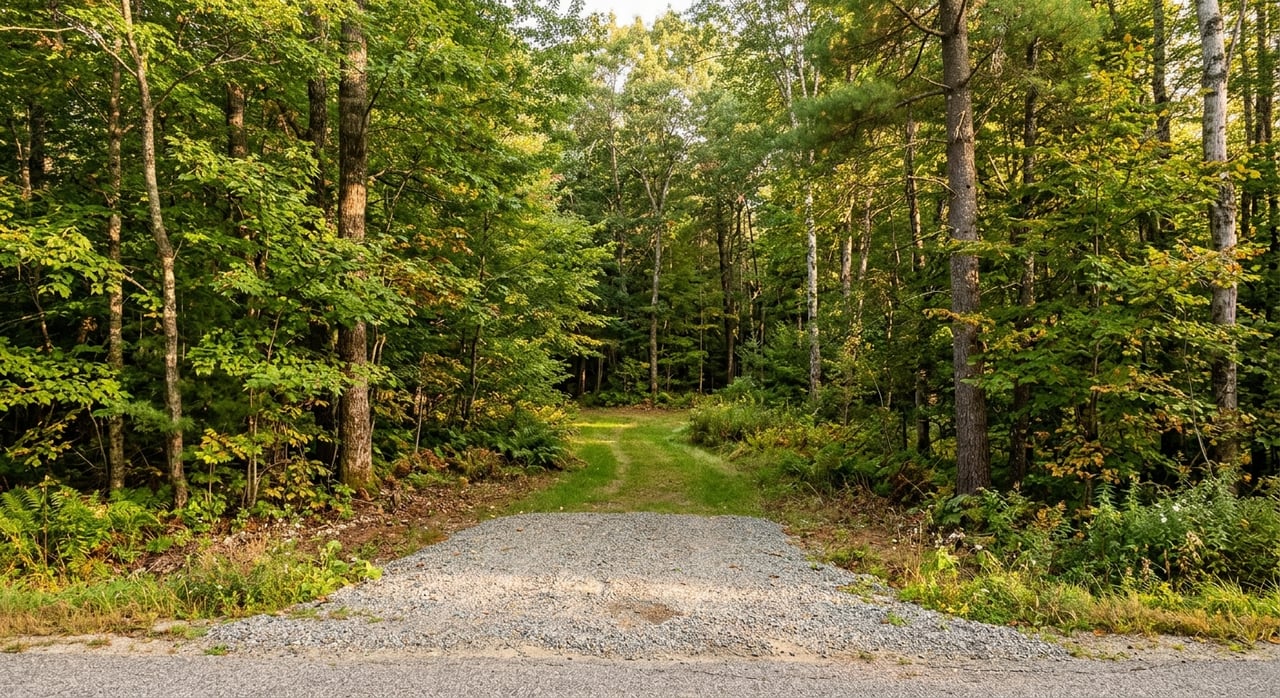
Buying land sounds simple until you realize one parcel can look perfect from the road and still come with limits that change what you can actually do with it. If you are thinking about buying land or acreage in Fruitland Township, you need more than a pretty tree line and a rough idea of where a house might go. You need to know how zoning, access, septic, shoreline rules, and site conditions all work together so you can move forward with fewer surprises. Let’s dive in.
Why parcel-by-parcel review matters
Fruitland Township is a zoned community, and the township makes it clear that buyers and owners should check zoning compliance before starting building or improvement work. The township’s master plan is guidance, but the zoning ordinance and zoning map are what control what a parcel can actually do.
That distinction matters because vacant land in Fruitland is not one-size-fits-all. A property may be affected by a base zoning district, an overlay district, shoreline rules, or other standards that change how the land can be used.
Start with the zoning district
Before you think about house plans, barns, outbuildings, or future projects, confirm the parcel’s zoning district. In Fruitland Township, that first step can save you time and help you avoid buying land that does not fit your goals.
RR zoning and acreage parcels
RR, or Rural Residential, is the main acreage-friendly district in Fruitland Township. It is intended for rural residential uses and is written with open space, groundwater concerns, and limited public services in mind.
In RR, single-family homes, home occupations, family child care homes, accessory buildings, and on-site wind systems up to 65 feet are allowed by right. The minimum lot area is 5 acres, and the minimum lot width is 235 feet.
RR also includes important water-related setbacks. Buildings and septic facilities must generally stay 100 feet from streams, creeks, lakes, and similar waters unless the county environmental health officer requires otherwise.
AG overlay and farm-related land
The AG, or Agricultural Overlay, does not replace the base zoning. Instead, it adds agricultural protections over the underlying district.
This overlay is meant to preserve or encourage farm use. It requires compliance with Michigan Right to Farm standards and GAAMPs, and it sets a 40-acre minimum lot area and a 200-foot lot-line setback for agricultural and intensive livestock operations.
If you are picturing a hobby farm or a larger agricultural use, this overlay may matter a lot. It is a good example of why you should not assume a rural-looking parcel automatically works the way you expect.
Shoreline and lake-area districts
Some of the strictest rules in Fruitland apply near water. If a parcel is near Lake Michigan, White Lake, Duck Lake, or other specified shoreline areas, you may be dealing with an overlay or district that changes setbacks, frontage, lot size, and vegetation rules.
The Lake Michigan Shoreline District, or LMSD, is designed to protect shoreline, dunes, and wetlands. Residential lots in this district need at least 1 acre and 105 feet of Lake Michigan frontage, and no buildings or septic systems may be placed within 100 feet of the ordinary high-water mark.
The Inland Lakes District, or ILD, covers areas around White Lake, Duck Lake, and certain other shorelines. Residential minimum lot area is 30,000 square feet with 100 feet of lot width, but shoreline frontage and setbacks can be stricter, including 105 feet of Duck Lake or White Lake frontage for new lots and a 100-foot setback from the ordinary high-water mark for buildings and septic systems unless county health requires otherwise.
FPR district and preservation-focused land
The Forest Preservation and Recreation District, or FPR, is aimed at conservation-oriented land such as areas near Duck Lake State Park. It allows forestry management by right, but it comes with a 40-acre minimum lot area, 300-foot minimum width, and a lot coverage limit of 5%.
It also includes 100-foot setbacks from water and vegetation-protection rules that favor preserving the natural character of the site. For some buyers, that fits the goal. For others, it can significantly limit how the land is improved.
Confirm access and driveway feasibility early
One of the most common land-buying mistakes is focusing only on acreage and not on access. In Fruitland Township, every building site must be serviced by a driveway, and the permit path starts earlier than many buyers expect.
For a new drive from a public road to private property, the Muskegon County Road Commission permit must be obtained before a building permit is issued. The road commission reviews proposed driveway locations for sight distance, drainage, and other safety issues.
Fruitland’s new construction packet also requires the site plan to show parcel dimensions, structure locations, setbacks, and nearby shoreline, creek, drain, pond, or natural waterway features. That means access and layout need to make sense on paper, not just in your head.
Private roads and shared access
If a parcel depends on a private road or shared access, take a closer look before making an offer. Fruitland’s private-street ordinance requires a township permit, engineering drawings, a registered survey of the right-of-way and each parcel served, utility easements, wetland and drain information, and a recorded maintenance agreement.
That is a big reason to verify whether a parcel has simple legal access or a more involved access setup. If a new land division is part of the plan, the township may also require driveway approval and private-road name approval for new private roads.
Check septic, well, and health department issues
For many acreage parcels, septic and well feasibility can make or break the deal. Fruitland’s building packet directs buyers to obtain septic and well permits from Muskegon County Public Health for new construction.
If a land division will create parcels of 1 acre or less, the township requires county health approval showing that each parcel is suitable for septic and a well unless public water or sewer will serve the parcel. That is an important filter when you are comparing smaller buildable tracts.
Muskegon County Public Health also says existing septic evaluations are desirable for buyers using on-site sewage disposal systems. An evaluation can describe the system, check tank integrity and field conditions, and help determine whether the system appears adequate.
Evaluate the land itself, not just the map
A parcel’s value depends on more than acreage. In Fruitland Township, terrain, groundwater, wetlands, shoreline conditions, and tree cover can all affect where you can build and what the project may cost.
Fruitland’s master plan notes that RR areas often include larger parcels with high groundwater, significant wetlands, large wooded areas, and active agricultural use. That means two 5-acre parcels can offer very different building options depending on where the usable ground sits.
The township also has nearly 15 miles of shoreline, including 5.87 miles on Lake Michigan, 4.94 miles on White Lake, and 4.14 miles on Duck Lake. Shoreline areas can involve critical dunes and erosion risk, so where the building envelope sits matters just as much as how many acres are listed.
Wetlands and dune review
If wetlands may be present, EGLE permits are required for activities such as fill, dredging, construction, boardwalks, or draining surface water in a wetland. EGLE reviews wetland impacts based on avoiding impacts as much as possible and minimizing unavoidable impacts.
If the parcel is in a Critical Dune Area, EGLE generally requires a permit for common land-disturbing projects including houses, garages, roads, driveways, septic systems, retaining walls, and sand removal. Critical dune permits can range from $150 to $6,000 depending on the project, and applications must include site plans and cross-sections.
Soil erosion and tree cover rules
Soil erosion control is another early checkpoint. Muskegon County DPW administers soil erosion and sedimentation control, and an earth-change permit is required before work starts if the project disturbs 1 acre or more or is within 500 feet of a lake or stream.
Tree cover can also be regulated depending on the district. In the Inland Lakes District, natural vegetation should be kept where possible, and selective trimming is preferred over clear-cutting within 100 feet inland of the water’s edge.
In the Forest Preservation and Recreation District, the township requires a 100-foot natural vegetation strip from the road right-of-way. Dead or invasive growth may be removed, but the natural character should otherwise be preserved.
If you want a project, expect more review
Some buyers want more than a future home site. You may be thinking about a roadside stand, nursery use, campground concept, blueberry farming, a pond over 1 acre, or another property use that feels natural on rural land.
In Fruitland Township, some of those uses are not allowed by right. They may require special land-use review through the Planning Commission and Township Board.
The township requires a special land-use application at least 30 days before the next Planning Commission meeting. A public hearing is required, and if approved, the special land use is valid for one year with one possible six-month extension.
If an application is denied, it generally cannot be resubmitted for one year unless new facts or conditions exist. So if your land purchase depends on a specific project, it is smart to understand that review path before you commit.
A practical due diligence checklist
If you are buying land or acreage in Fruitland Township, a calm, step-by-step approach usually works best. A practical sequence based on township and county requirements looks like this:
- Confirm the zoning district and any overlay districts
- Verify legal access and driveway feasibility
- Identify septic and well constraints with county health
- Check for wetlands, shoreline issues, or critical dunes
- Review whether soil erosion permitting may apply
- Order a survey or detailed site plan if boundaries or access are unclear
- Talk with the township, county health department, road commission, and EGLE when water, wetlands, or dunes are involved
This is where local guidance can make a big difference. Land deals often look simple online, but the real story is in the zoning map, the permit path, and the physical site.
If you want straight answers, realistic next steps, and a no-pressure conversation about land in Fruitland Township or nearby Muskegon County communities, reach out to Dylan Zuniga.
FAQs
What zoning should you check first when buying acreage in Fruitland Township?
- Start by confirming the base zoning district, such as RR, and then check for any overlay districts like AG, LMSD, or ILD that may add stricter rules.
What is the minimum lot size for RR land in Fruitland Township?
- RR, or Rural Residential, requires a minimum lot area of 5 acres and a minimum lot width of 235 feet.
What permits matter for a new driveway on Fruitland Township land?
- A driveway from a public road to private property requires a Muskegon County Road Commission permit before a building permit is issued.
What should you verify about septic and well service on Fruitland Township vacant land?
- You should verify septic and well feasibility through Muskegon County Public Health, especially if the parcel will rely on on-site systems.
What shoreline setback rules apply to land in Fruitland Township?
- In several water-related districts, buildings and septic systems generally must stay 100 feet from the ordinary high-water mark or nearby water features unless county health requires otherwise.
What happens if a Fruitland Township land use needs special approval?
- Special land uses go through Planning Commission review, require a public hearing, and then move to the Township Board for action.