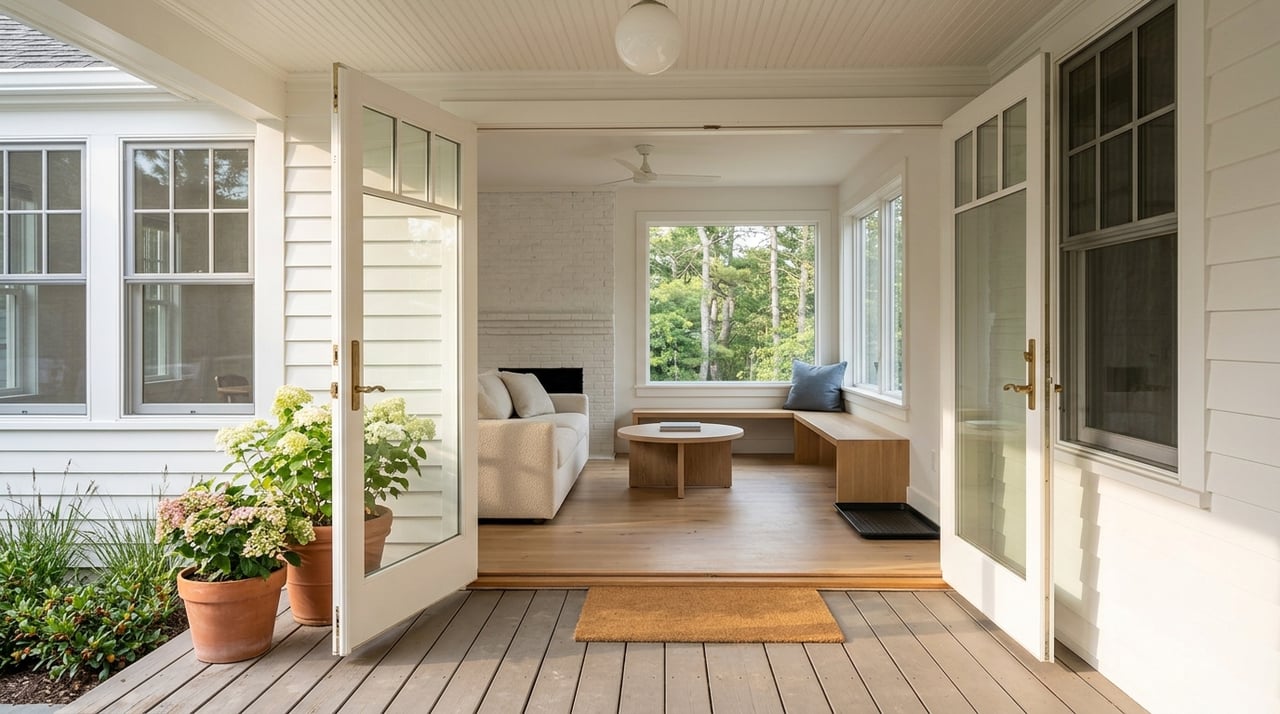
Dreaming about a place near the water where you can slow down on weekends, spend more time outdoors, and make Whitehall part of your routine? Buying a second home or cottage here can be exciting, but it also comes with a few important details that are easy to miss. If you are considering Whitehall, this guide will help you think through financing, taxes, seasonal use, rental rules, and property-specific risks so you can move forward with more confidence. Let’s dive in.
Why Whitehall Appeals to Second-Home Buyers
Whitehall offers a lifestyle that feels different from a typical inland market. It sits on White Lake in northern Muskegon County, roughly five miles from the Lake Michigan shoreline, and the area is closely tied to boating, beaches, marinas, lodging, resorts, and cottage rentals, according to the City of Whitehall.
That matters when you are shopping for a second home. In Whitehall, buyers are often looking at more than square footage or bedroom count. They are also weighing lake access, proximity to marinas, outdoor recreation, and how the home fits a seasonal or weekend lifestyle.
The local setting supports that appeal year-round. Whitehall maintains parks, a marina, and the 3.2-mile White Lake Pathway, while nearby recreation includes access to Duck Lake State Park and Lake Michigan shoreline through the broader area resources highlighted by the city.
Define Your Second-Home Goals First
Before you start touring cottages or lake-adjacent homes, get clear on how you plan to use the property. A second home for personal use can be very different from a property you hope to rent part of the year.
That distinction affects financing, taxes, and even which homes make sense to pursue. If your main goal is personal use, you may focus more on comfort, year-round access, and low-maintenance ownership. If you are also thinking about occasional rentals, you need to be more careful about loan rules and local compliance.
A simple way to frame it is to ask yourself a few early questions:
- Will you use the home mainly for your own weekends and vacations?
- Do you want the home to be suitable for all-season use?
- Are you considering short-term rentals at any point?
- Do you want walkable or quick access to the lake, marina, or trails?
- Are you comfortable with winter upkeep and off-season maintenance?
Understand How Second-Home Financing Works
Financing a second home is usually more restrictive than financing a primary residence. That does not mean it is out of reach, but it does mean you should talk with your lender early and ask direct questions.
According to Fannie Mae’s second-home guidelines, a second home generally must be occupied by you for some portion of the year, be a one-unit dwelling, be suitable for year-round occupancy, remain under your exclusive control, and not be a timeshare or rental property. Fannie Mae also notes that rental income does not automatically disqualify the loan if that income is not used to qualify and the home still meets the other second-home standards.
Freddie Mac’s standard conforming guidance shows a 75% maximum loan-to-value ratio for second homes, which often means a larger down payment than you might expect on a primary residence. Freddie Mac also indicates that some second homes with seasonal access limits may still qualify in certain cases if the appraisal uses comparable seasonal sales and the property remains primarily for your personal use.
The practical takeaway is simple: if you plan to rent the property, even occasionally, you should confirm with your lender how that affects the loan type. A cottage that works well for your lifestyle may need a different financing approach if it crosses into investment-property territory.
Year-Round Use Matters More Than You Think
In a market like Whitehall, some homes are clearly built for full-time use, while others feel more seasonal. That difference can affect both financing and long-term ownership costs.
Lenders may look closely at whether the property is suitable for year-round occupancy. In real life, that can connect to heating systems, insulation, access during winter, and the overall condition of the home.
This is especially important if you are drawn to an older cottage or a property in a more seasonal setting. A charming summer place can still be a great fit, but you will want to understand what it takes to own and use it comfortably through changing weather.
Know the Tax Basics Before Closing
Property taxes can shift when ownership changes, so it is smart to ask questions before you buy. The Whitehall Treasurer’s Office advises buyers to call before closing because a transfer of ownership can change the property tax liability.
You should also know that Michigan’s Principal Residence Exemption, or PRE, applies only to your true, fixed, and permanent home. The city notes that a person can have only one property with a PRE, which means your second home or cottage in Whitehall typically would not receive that exemption if your primary residence is elsewhere.
On the federal side, the IRS treats second homes differently depending on whether the property is held only for personal use or used partly as a rental. As summarized by the city’s tax guidance references to IRS Publication 936, Topic 415, and Publication 527, mortgage interest and other tax treatment can change if the home becomes mixed-use.
If You Plan to Rent, Check Local Rules Early
Many buyers think about offsetting costs with occasional rentals. That can be a reasonable goal, but it is not something to assume without verifying the rules first.
The research for this area shows that White Lake Township requires rental properties to be registered, inspected, and certified, and the township newsletter specifically states that short-term rentals such as Airbnb must be registered and inspected before renting. Whitehall’s code also includes rental-property regulations.
That means rental use is not just a side note. It can affect your budget, timeline, and the kind of property you should target. If rental flexibility is important to you, make that part of your search criteria from the start so you can verify the rules before you get too far down the road.
Budget Beyond the Purchase Price
With a second home, the monthly payment is only part of the ownership picture. In Whitehall, you also need to think about lake-area maintenance, seasonal wear, winterization, and any compliance costs tied to rental use.
Homes near the water or in seasonal settings may need more ongoing attention than a standard primary residence in a typical neighborhood. Even if the property is not directly on the water, the lakeshore environment can still affect upkeep and maintenance planning.
As you compare homes, it helps to evaluate:
- Property taxes after closing
- Down payment requirements for second-home financing
- Insurance needs, including possible flood insurance
- Winterization and off-season maintenance
- Marina or recreation access that matters to your lifestyle
- Rental registration or inspection costs, if applicable
Waterfront Scarcity Can Shape Pricing
Water access and water views often carry a premium, and part of the reason is simple supply. Zillow found that only about 0.4% to 0.6% of property transactions are for homes on the water, and waterfront homes are especially scarce on smaller bodies of water such as lakes and rivers, according to its waterfront research.
In Whitehall, that scarcity lines up with a market already defined by marinas, beaches, and cottage-oriented demand. As a result, homes near White Lake or Lake Michigan may draw stronger interest than similar properties farther inland.
That does not mean every near-water home is priced the same way. It does mean you should look carefully at how much of the value is tied to location and what comparable sales support that price.
Check Flood Risk Before You Commit
If you are buying near the water, flood risk should be part of your due diligence. The research report notes that buyers should review FEMA flood maps because federally regulated lenders must require flood insurance for buildings located in Special Flood Hazard Areas.
Flood insurance can affect your monthly cost and your comfort level with the property long term. This is one of those issues that is better to clarify early rather than after inspections and loan work are already underway.
A flood-zone review does not automatically rule out a property. It simply gives you a clearer picture of risk, insurance costs, and what ownership may look like over time.
Questions to Ask Before Making an Offer
If you are serious about buying a second home or cottage in Whitehall, a few focused questions can save you time and stress. The right questions help you sort out whether a property fits your goals, financing, and long-term budget.
Here are some of the most important ones to ask your lender and agent:
- Will this property qualify as a second home based on how I plan to use it?
- Is the home suitable for year-round occupancy?
- How is winter access handled?
- Are there rental, inspection, zoning, or HOA rules that apply?
- Is the property in a flood zone?
- Will flood insurance be required?
- How much of the asking price is supported by waterfront or near-water comparable sales?
- What will the property taxes likely look like after closing?
- Will any principal residence exemption apply?
A Smart Whitehall Purchase Starts With Clear Answers
Buying a second home in Whitehall can be a great lifestyle move, especially if you want easier access to boating, beaches, trails, and the slower rhythm of a lakeshore community. The key is making sure the property works not just emotionally, but also financially and practically.
That means matching the home to your actual use, confirming financing terms early, checking tax and rental rules, and understanding property-specific issues like flood risk, winter access, and maintenance. When you approach the process with clear expectations, you are much more likely to end up with a place you truly enjoy.
If you want straightforward guidance as you compare cottages, lake-area homes, or second-home options in Whitehall, Dylan Zuniga offers a no-pressure approach built around clear communication and honest advice.
FAQs
What qualifies as a second home in Whitehall?
- A second home generally must meet lender guidelines such as personal occupancy for part of the year, one-unit status, year-round suitability, and your exclusive control, based on Fannie Mae guidance.
Can you rent out a second home in Whitehall occasionally?
- Possibly, but you should verify both loan rules and local rental requirements first because planned rentals can affect loan classification and local registration or inspection rules may apply.
Does a second home in Whitehall get a Principal Residence Exemption?
- No, not if your primary residence is somewhere else, because Michigan’s Principal Residence Exemption applies only to your true, fixed, and permanent home.
Do Whitehall cottage buyers need to check flood zones?
- Yes, especially for homes near water, because lenders must require flood insurance for buildings in FEMA Special Flood Hazard Areas.
Is financing a second home in Whitehall harder than a primary residence?
- In many cases, yes, because second-home financing often comes with stricter standards and a lower maximum loan-to-value ratio than primary-home financing.
What should you ask before buying a cottage in Whitehall?
- Ask about second-home loan eligibility, year-round occupancy, winter access, taxes after closing, rental compliance, flood risk, and whether the asking price is supported by comparable sales.